

London M&A Forum: The new discipline of dealmaking
The Freshfields London M&A Forum brings together investors, regulators, board advisers and policymakers to examine how global dealmaking is changing – and what that means for execution, risk and value creation in 2026.

What the Freshfields London M&A Forum revealed about judgment in modern M&A
At a time of ongoing uncertainty, the global M&A landscape is evolving. External scrutiny is intensifying, and dealmaking is not reverting to familiar playbooks.
In today’s market, financial logic still matters, but it is no longer enough on its own. Deals are increasingly shaped by scrutiny, sequencing, stakeholder pressure and the board’s ability to exercise judgment under strain.
The New Discipline of Dealmaking explores what that means across the full lifecycle of a transaction.
Executive summary
At a time of ongoing uncertainty, global M&A is reacting to a market where judgment matters earlier, more often and in more places than before.
Foreword from Lucy Rigby KC MP, Economic Secretary to the Treasury and City Minister
Lucy Rigby sets out why the UK remains a trusted, competitive and open market for investment as global dealmaking adapts to greater uncertainty.
Getting to closing: Why merger control now shapes the deal itself
Merger control is no longer just a hurdle at the end of the process. It is shaping transaction design from the outset, as regulators move faster, scrutiny starts earlier and weak cases are exposed sooner.
Before the letter arrives: Why shareholder activism is a governance verdict
Activism is not simply a disruptive event. It is often the clearest signal that strategy, performance or market communication has failed to land – and it is increasingly bound up with M&A outcomes.
Beyond the exit: Why liquidity is earned through governance discipline, not just timing
In more selective markets, liquidity is not created at the point of sale. It is built over time through strategic clarity, leadership depth and the governance discipline that preserves optionality.
After closing: Why post-deal disputes now reflect deal pressure, not just drafting
Post-deal disputes are increasingly where unresolved deal pressure resurfaces. As structures grow more complex and fraud allegations become more prominent, boards need to think about remedies and risk far earlier.
Executing M&A in dynamic times: Why the board’s real job is to decide what not to do
Boards are operating under greater compression, with regulatory, political, reputational and strategic pressures landing at once. The defining question is no longer only what to pursue, but what not to do.
The next cycle
The next phase of M&A will not be defined by a return to clarity, but by how dealmakers respond to complexity – building credibility early, exercising restraint and making decisions that can withstand scrutiny.
London M&A Forum
Panels and discussions

Getting to closing: today’s merger control landscape
A comparative look at merger control across the UK, EU and US, focusing on faster processes, parallel regulatory regimes and why early engagement, credible evidence and realistic timing assumptions now define deal certainty.
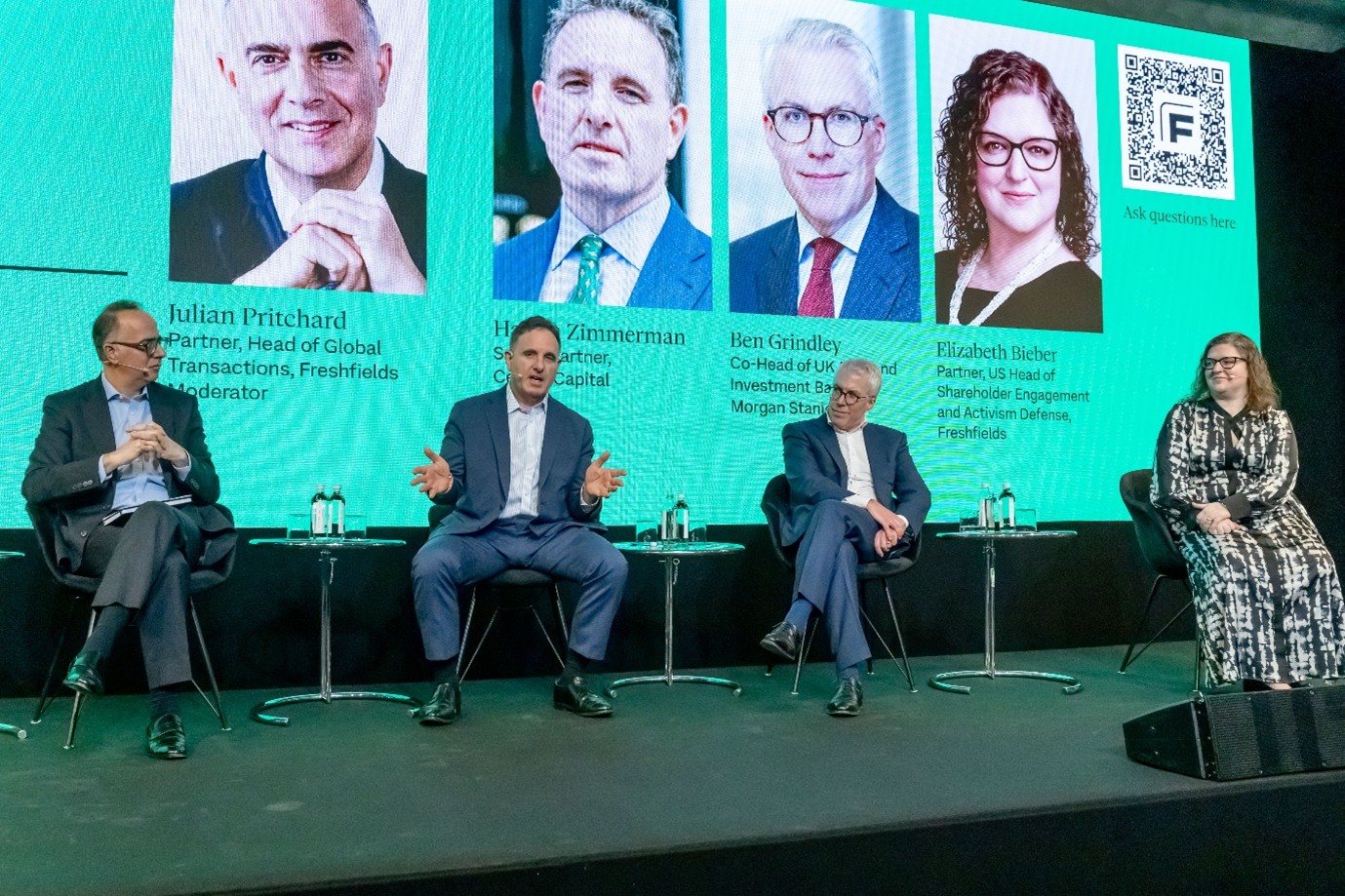
Activism trends and the M&A thesis
An examination of how activists operate, why many campaigns are underpinned by M&A logic, and how boards with strategic coherence and credible engagement are best positioned to respond constructively under pressure.
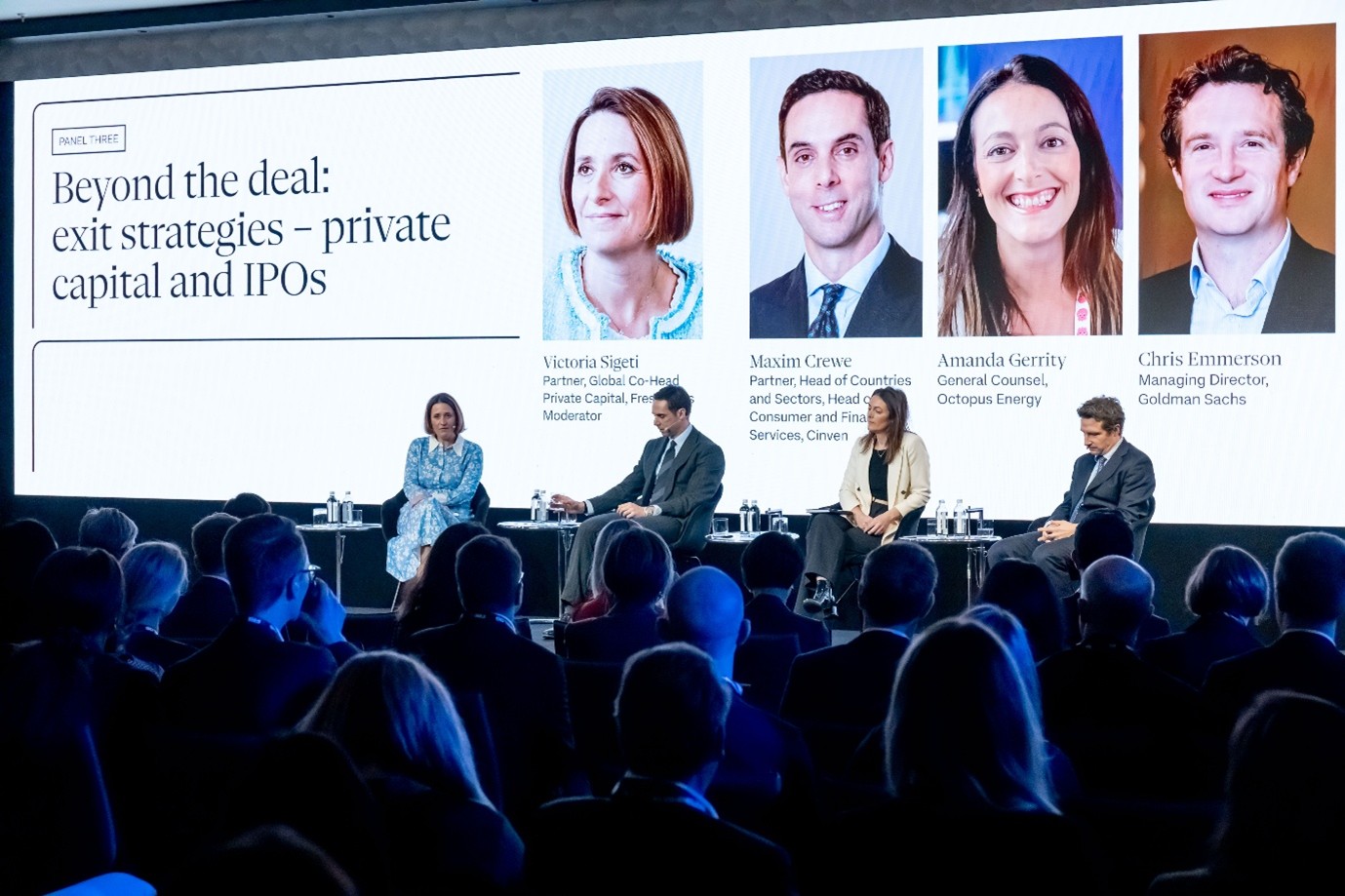
Beyond the deal: Exit strategies – private capital and IPOs
A discussion on why exit success is shaped long before signing, how disciplined preparation supports credibility, and why flexibility – through dual tracks, secondaries and structured solutions – is now central to realising value.
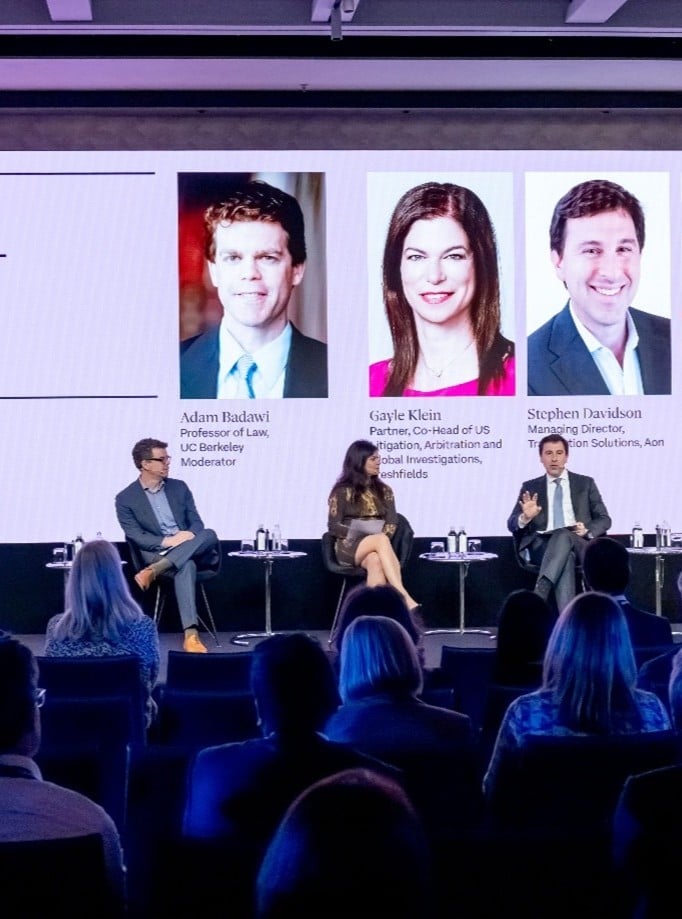
Transatlantic post-deal disputes and complexities
An exploration of why post-closing disputes are becoming more complex, how earn-outs and disclosure failures drive risk, and why disciplined drafting and alignment across workstreams are now core elements of deal design.
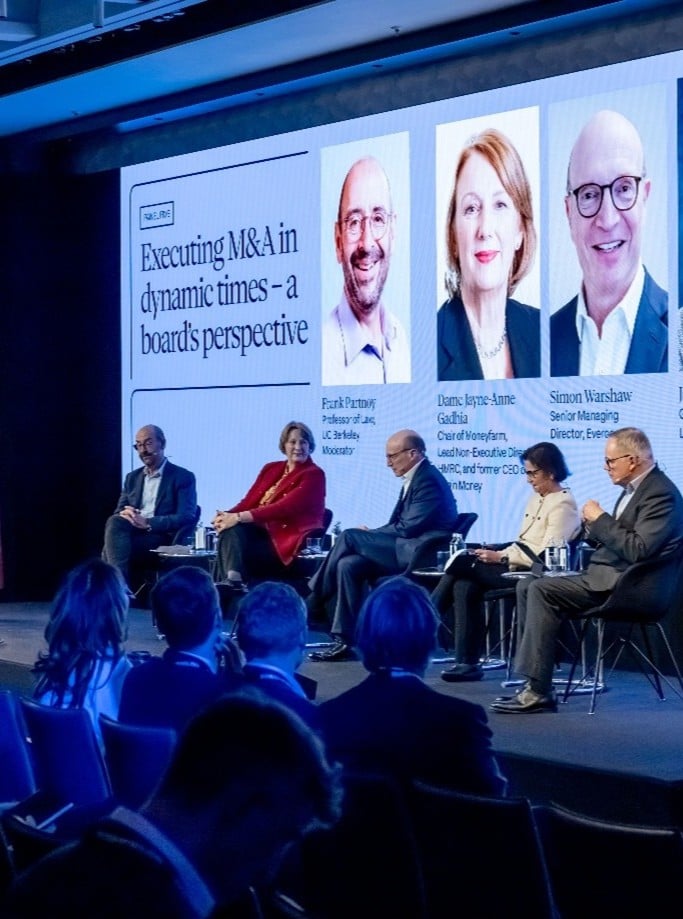
Executing M&A in dynamic times: A board’s perspective
A boardroom view on M&A decision-making where strategy, regulation, geopolitics and reputation collide – highlighting the importance of preparation, challenge and clarity when evaluating complex transactions.
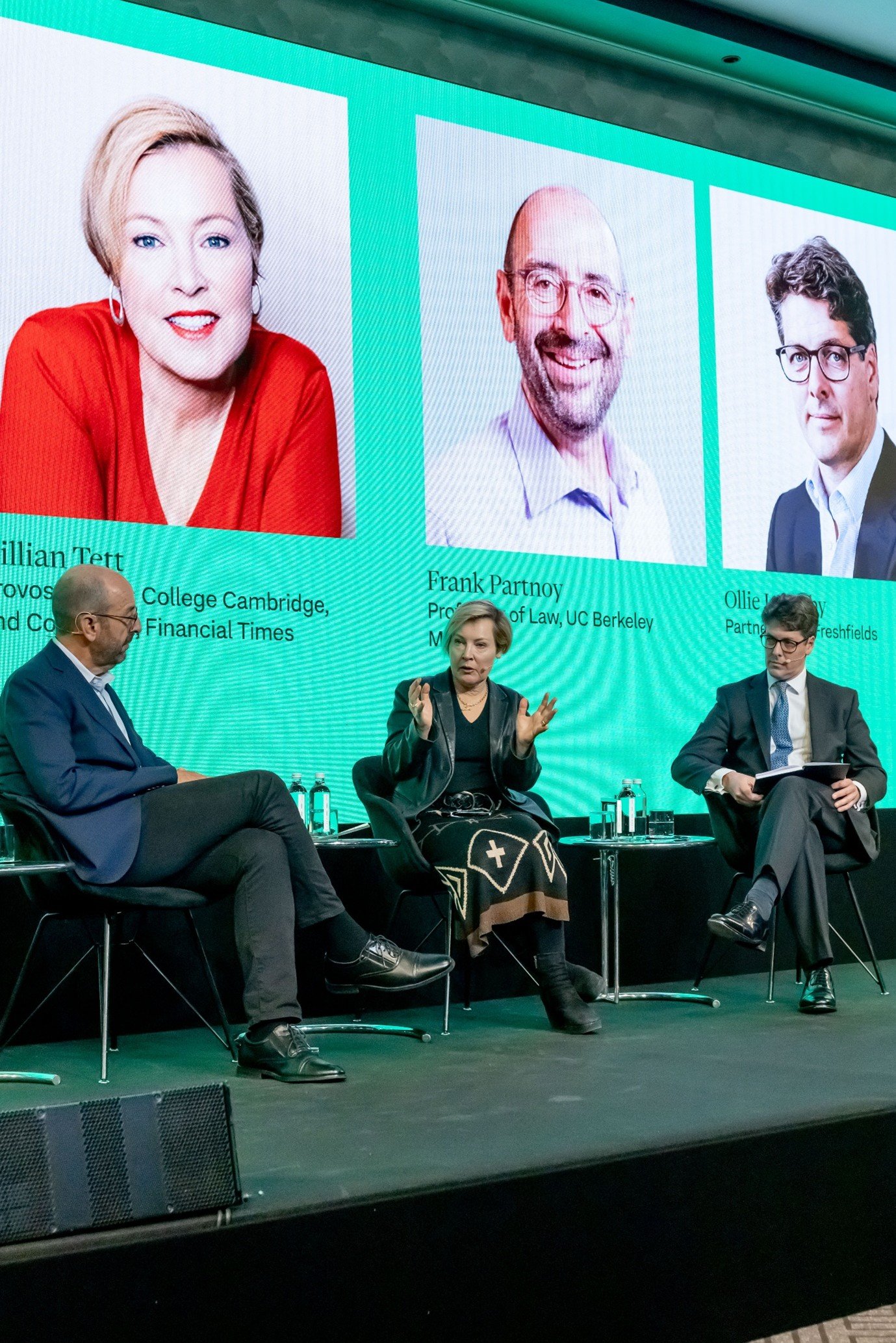
Fireside chat with Gillian Tett: Global dealmaking in a political economy
A conversation on the collapse of traditional assumptions about globalisation and why modern M&A demands 360-degree vision – assessing not just financial value, but political legitimacy, permission and power.
Clarity in antitrust: Deal implications for 2026
Antitrust considerations now shape deal strategy from the outset. Clarity in antitrust: Deal implications for 2026 distils Freshfields’ 10 Key Themes into a deal-focused analysis, examining how merger control, foreign investment regimes and enforcement priorities are influencing transaction design, timing and certainty.
Drawing directly on issues raised at the London M&A Forum, the report offers practical insight into how antitrust risk is being priced, mitigated and managed in today’s transactions – and what dealmakers should expect next.